
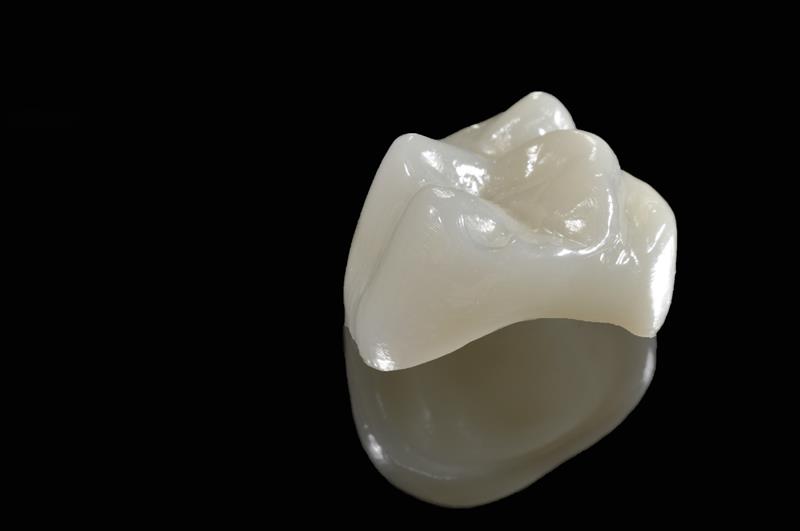
Dental Crowns
A dental crown is a restorative cap placed over a tooth to restore its normal size, shape, strength, and appearance. Crowns are often necessary when a tooth is too damaged for a traditional filling to be effective.
Request an AppointmentBenefits of Dental Crowns
Dental crowns can be used to:
- Cover discolored or misshapen teeth
- Support a tooth with a large filling
- Hold a cracked tooth together to prevent further damage
- Restore a broken tooth
- Work in conjunction with bridges or dental implants
Dental Crown Procedure
The dental crown process typically occurs in two appointments:
First Appointment
The tooth is prepared by filing or reshaping to allow a proper fit for the crown. Local anesthetic is used to numb the area. An impression of the teeth and gums is then taken using a putty or paste and sent to a dental laboratory to create a custom crown. A temporary crown is placed while waiting for the permanent crown, which usually takes 2–3 weeks.
Second Appointment
The permanent crown is checked for proper fit and color, the temporary crown is removed, and the new crown is cemented onto the tooth.
Types of Dental Crowns
- Metal Crowns: Durable and resistant to wear, metal crowns preserve more of the natural tooth but are metallic in appearance.
- Porcelain-Fused-to-Metal (PFM) Crowns: Can be color-matched to natural teeth. They are strong but may show a dark line where metal meets porcelain and can wear down opposing teeth.
- Resin Crowns: Less expensive but more prone to chips, fractures, and wear over time.
- Ceramic or Porcelain Crowns: Best for a natural appearance, ideal for front teeth, though less strong than metal or PFM crowns and can wear opposing teeth.
Complications of Dental Crowns
Some patients may experience sensitivity immediately after placement. Possible complications include:
- Pain or Sensitivity When Biting: Often caused by a high crown, which can be adjusted by the dentist.
- Chip in a Porcelain Crown: Minor chips can be repaired with resin; major damage may require replacement.
- Loose Crown: If cement washes out, bacteria may cause decay. The crown should be reseated promptly.
- Crown Falling Off: Contact the dentist immediately for replacement or a new crown.
Longevity of Dental Crowns
With proper oral hygiene and regular dental visits, crowns can last from 5 to 15 years or longer.
Who Is a Good Candidate?
Dental crowns are suitable for most patients, including those who need:
- Protection after root canal therapy
- Coverage over large fillings
- A crown over a dental implant abutment
- A bridge with pontics
- Coverage for cracked or severely chipped teeth
What to Expect During a Crown Procedure
During the first visit, the tooth is numbed and reshaped, impressions are taken, and a temporary crown is placed. The second visit involves removing the temporary crown and placing the permanent one, ensuring a perfect fit and color match.
Maintaining a Dental Crown
Even with a crown, the underlying tooth is still susceptible to cavities and gum disease. Good oral hygiene, regular brushing and flossing, and routine dental check-ups are essential to maintain the crown and overall oral health.
Drs. Spiguzza, Holly, and Champion at Carolina Dental Care in Loris, SC, ensure that all crowns are custom-made to blend seamlessly with your natural teeth for optimal appearance and function.