
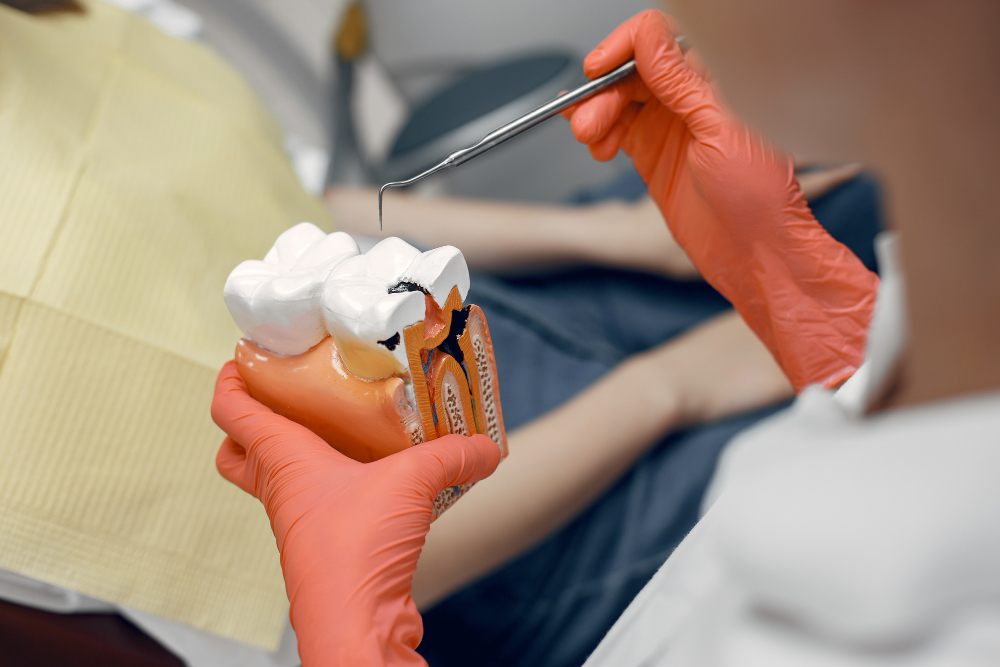
Scaling and Root Planing
Scaling and root planing is a dental treatment typically performed in the early stages of periodontal disease to remove plaque and tartar that has built up beneath the gum line. This procedure is considered a deep cleaning and is performed either to prevent the progression of gum disease or to improve gum and tissue health prior to surgery.
Request an AppointmentWhy You Might Need Scaling and Root Planing
You may need this procedure if you have periodontitis, a more advanced form of gum disease. Scaling and root planing helps treat swollen gums, eliminate tartar, and protect your gums, teeth, and underlying bone from further damage.
The Procedure
This deep-cleaning dental procedure targets gum disease at its roots. When diagnosed early, it can prevent the progression of periodontitis and preserve oral health.
What Happens During the Procedure?
During the scaling portion, an ultrasonic scaler is used to remove plaque and tartar beneath the gums. These deposits often accumulate in pockets between the teeth and gums, which can deepen as gum disease progresses and lead to loose teeth.
After scaling, the root planing step smooths the tooth root to promote proper gum reattachment and healing. Local anesthesia or sedation may be used to ensure comfort. Antibiotics or antimicrobial rinses may also be prescribed to prevent bacterial growth.
Is the Procedure Painful?
Scaling and root planing is generally not painful. A local anesthetic is administered before treatment to ensure a pain-free experience. Some mild discomfort may be experienced afterward.
Aftercare
Post-procedure, patients may experience gum swelling, minor bleeding, and tooth sensitivity for a few days. Medication may be prescribed to manage discomfort and prevent infection. Maintaining proper oral hygiene is essential to prevent pockets from reforming.
Foods to Avoid After Treatment
Once numbness wears off, most foods can be eaten. However, it is recommended to avoid:
- Sticky or hard foods, such as nuts, chips, and candy
- Spicy foods
- Acidic foods
- Highly-seasoned foods
- Smoking, until the gums have fully healed